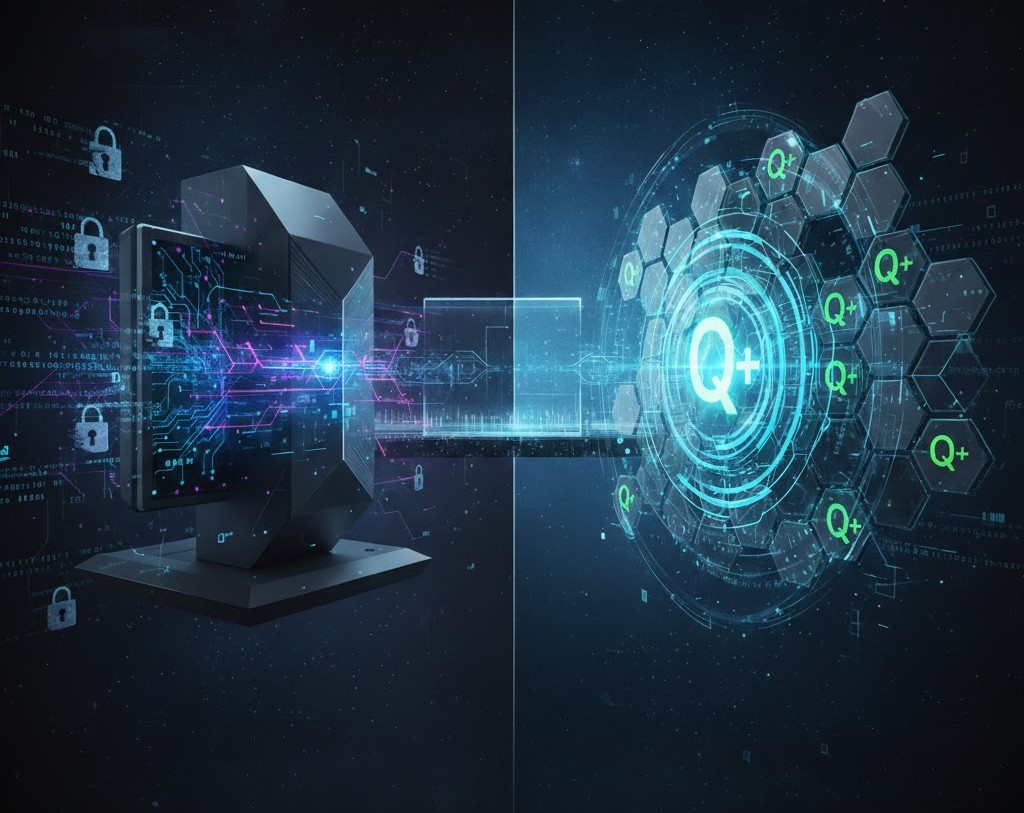
In the rapidly evolving landscape of 2026, the arrival of fault-tolerant quantum computing is no longer a distant theoretical concern but an impending structural shift for the global internet. Traditional asymmetric encryption—specifically RSA and Elliptic Curve Cryptography (ECC)—relies on mathematical problems that a sufficiently powerful quantum computer could solve in minutes using Shor’s algorithm.
The "Harvest Now, Decrypt Later" Threat
Even if full-scale quantum supremacy hasn't fully compromised every node yet, the "Harvest Now, Decrypt Later" (HNDL) strategy remains a critical risk. Adversaries are currently intercepting and storing encrypted data with the intent of decrypting it once quantum hardware matures. For myip.casa users, this means that the privacy of today depends on the cryptographic choices of tomorrow.
NIST PQC Standards: The New Foundation
The transition to Post-Quantum Cryptography (PQC) is now mandatory for high-security environments. The National Institute of Standards and Technology (NIST) has finalized its primary standards, focusing on lattice-based cryptography, which is designed to be resistant to both classical and quantum attacks.
Technical Implementation: A Hybrid Approach
To maintain backwards compatibility and ensure a high level of rigor, we recommend a hybrid cryptographic scheme. This involves combining a classical algorithm (like X25519) with a post-quantum algorithm (like ML-KEM). This ensures that even if one algorithm is theoretically compromised, the other maintains a robust layer of protection.
🛠️ Post-Quantum Readiness Checklist
As we continue to build utilities for a decentralized world, myip.casa remains committed to providing the tools necessary to navigate the post-quantum era. Here is how you can prepare:
- ✅ Audit Infrastructure: Update your TLS stacks to support X25519Kyber768 drafts.
- ✅ Update SSH Keys: Begin transitioning from RSA to Ed25519 or PQC-verified alternatives.
- ✅ Re-encrypt Archives: Use AES-256 for long-term storage to mitigate Grover's algorithm threats.
- ✅ Monitor Exposure: Use myip.casa utilities to regularly audit your network's public footprint.
"Security is not a static state, but a continuous process of adaptation against emerging computational paradigms."
Stay ahead of the curve: audit your encryption protocols now before the quantum harvest begins. The future of privacy is decentralized, encrypted, and quantum-resistant.