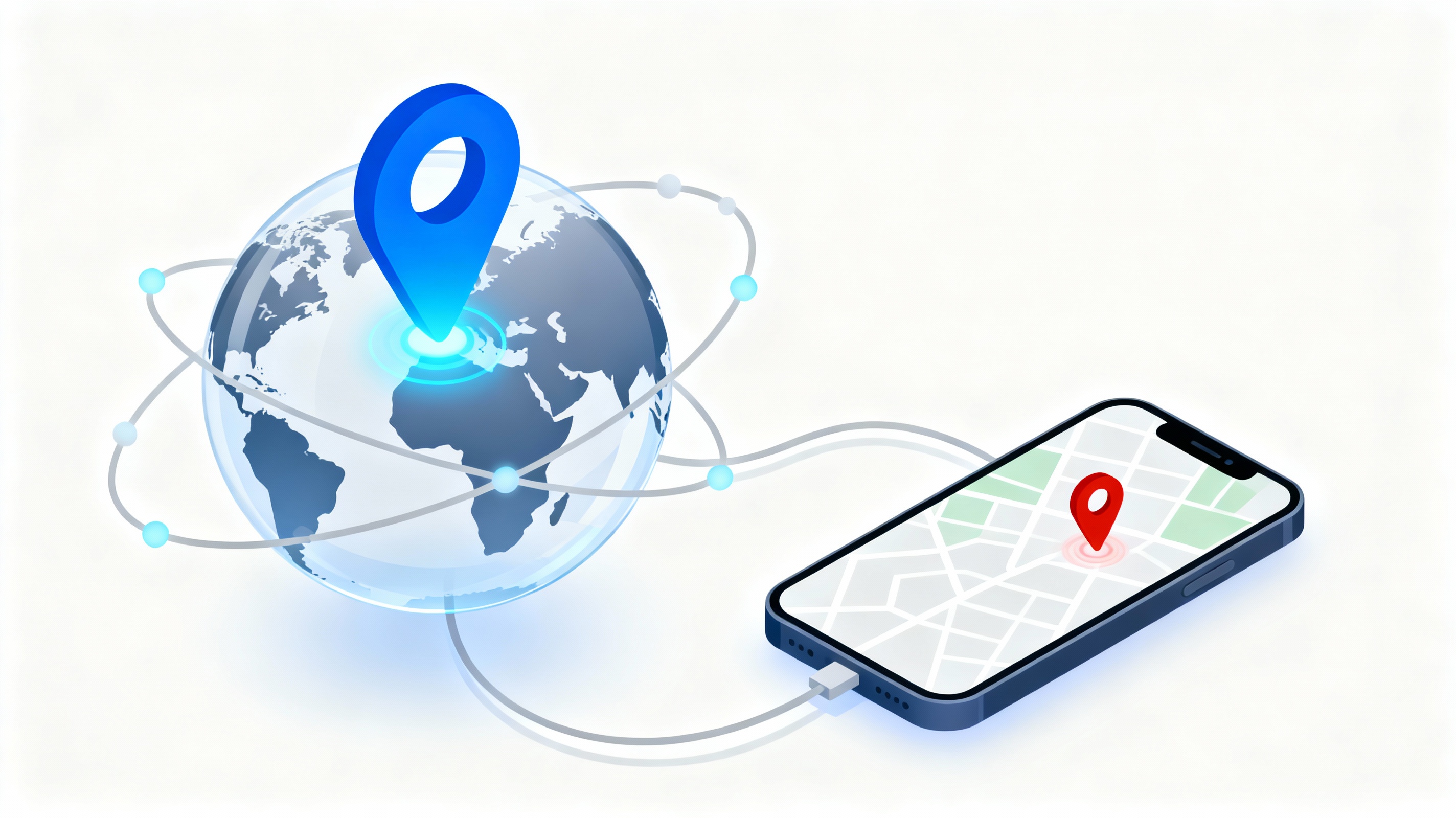
Your IP address reveals more than you might expect. Without needing to log into anything, websites and apps can use your IP to estimate your location, country, city, region and that has serious implications for privacy, advertising, content restrictions, and more.
What Is IP Geolocation?
IP geolocation refers to the process of estimating where a device is physically located based on its IP address. This is done using public and private databases that map IP ranges to geographic areas, along with network data from internet providers and other sources.
Accuracy varies: sometimes you’ll get an estimate at the **city level**, sometimes only the country. The quality depends on the ISP, how often IP allocations are updated, and whether you’re using tools like VPNs or proxies.
How Does IP Geolocation Work?
- IP registry data : Regional Internet Registries like ARIN, RIPE, APNIC assign IP blocks to ISPs and organizations in specific regions.
- Network topology & traceroutes : Mapping the paths traffic takes across the Internet helps geolocation providers refine their estimates of physical location.
- ISP cooperation & usage logs : In some cases, providers share data or validated records that improve location accuracy.
- Machine learning & spot checks : Using known data points (like user check-ins, GPS, etc.) and models to continuously improve geolocation databases.
What Can Be Revealed from Your IP?
- Your approximate location (country, region, usually city)
- Your Internet Service Provider (ISP)
- The type of network (home, business, mobile, VPN, data center)
- Whether you share an IP with others, or are behind a proxy or VPN detection system
How Accurate Is It?
IP geolocation is often quite good for identifying your country or region. But there are many situations where accuracy drops:
- Mobile networks or satellite connections
- Users of VPNs, proxies, or those with dynamic IPs
- When databases are outdated or haven’t been updated with recent IP assignment changes
- Regions with sparse network infrastructure or weak data sources
Who Uses IP Geolocation?
- Advertisers : to deliver local or region-targeted ads
- Streaming platforms : to enforce or adapt content by region
- Security teams : for detecting unusual login locations or fraud
- Law enforcement : using geolocation for investigations
- Web analytics & SEO : understanding user distribution by country/city
How to Protect Location Privacy
- ✔️ Use a quality VPN to mask your real IP address.
- 🔒 Employ privacy-focused networks like Tor.
- 🔄 Refresh or reset your Internet connection/router, if your ISP provides dynamic IPs.
- 🌐 Use DNS resolvers that don’t log your queries or geolocate (for example, Cloudflare’s 1.1.1.1).
- 🔐 Disable or restrict WebRTC in your browser to avoid browser-based leaks.
See What Your IP Reveals
Curious to see exactly what your current setup reveals about you?
⭐ Run the IP Geolocation Test Now
Conclusion
IP geolocation is not perfectly precise, but it reveals a lot. From advertisers to security services, many entities use it. Understanding how it works and taking steps to protect yourself helps safeguard your privacy online.
Take action now: check what your IP reveals, use tools to mask or anonymize, and control what information is exposed.